E-Commerce-Lernpfad: Was Sie zuerst lernen sollten, ohne überfordert zu werden
Confused about where to start in e-commerce? This step-by-step roadmap shows exactly what to learn first, what to ignore, and how to build a real online business in 2026.
INHALTSVERZEICHNIS
The Complete Beginner Roadmap for 2026
Starting an e-commerce business has never been more accessible, offering many benefits such as flexibility, global reach, and the potential for passive income.
But it has also never been more confusing.
You open YouTube, Google, or TikTok and instantly get flooded with advice:
“Start dropshipping”
“Learn Facebook Ads”
“Build a personal brand”
“Use AI tools”
“Launch a course”
The problem?
👉 None of this tells you what to learn first.
And that’s exactly why most beginners fail.
Not because they lack motivation — but because they lack structure.
This guide will show you:
The exact ecommerce learning path
What skills actually matter
What to ignore in the beginning
How to build a real system (not just random tactics)
Plus, the ecommerce learning path allows you to learn at your own pace, so you can fit your studies around your schedule.
Why Most Beginners Get Stuck in E-Commerce
Before we talk about what to learn, let’s fix the real problem.
Most people don’t fail because of effort.
They fail because they start like this:
👉 Tools first 👉 Platforms first 👉 Ads first 👉 Random strategies
Instead of:
👉 Outlining a clear business idea before anything else 👉 Understanding the system
The Reality of E-Commerce in 2026
E-commerce today is not:
❌ just building a Shopify store ❌ just running ads ❌ just picking a product
Electronic commerce (e-commerce) refers to buying and selling goods or services online, enabling businesses to reach customers worldwide and operate beyond traditional hours, giving them a global reach and increased sales potential.
It’s a system-based business.
If you don’t understand that early, you will:
waste money on ads
chase trends
constantly restart
👉 The goal is not to “try e-commerce” 👉 The goal is to build a system that works
The Correct E-Commerce Learning Path (Step-by-Step)
Here is the simplified roadmap:
Understand eCommerce fundamentals
Choose your niche and products
Select an eCommerce platform
Set up your online store
Develop a marketing strategy
Manage operations and logistics
Analyze and optimize performance
Keep in mind, your specific ecommerce learning path may vary depending on your chosen business model, product category, and available resources.
Step 1 → Understand the Business Model
Step 2 → Learn Offer & Product Thinking
Step 3 → Learn Traffic Basics
Step 4 → Learn Conversion & Funnels
Step 5 → Build Systems
Step 6 → Add AI & Automation
Most beginners skip steps 1–3 and jump directly into ads or tools.
That’s why they fail.
Step 1: Understand How E-Commerce Actually Works
Before anything else, you need clarity.
What is an E-Commerce Business System?
At its core, every e-commerce business has 4 parts:
Traffic (people)
Offer (product/value)
Conversion (store/funnel)
Retention (email, repeat customers)
👉 If one of these is weak → your business breaks.
What You Should Learn First
How online businesses make money
Difference between product vs audience vs traffic
Basic ecommerce strategy for beginners
Types of business models (store, digital, hybrid)
What You SHOULD NOT Learn Yet
❌ Facebook Ads ❌ TikTok Ads ❌ Advanced Shopify features ❌ AI tools
👉 Tools without understanding = wasted time
Step 2: Learn Product & Offer Thinking
Most beginners think:
👉 “I need to find a winning product”
Wrong.
The Real Skill: Offer Thinking
A product alone doesn’t sell.
An offer sells.
Example:
❌ “Water bottle” ✅ “Smart hydration bottle for busy professionals”
What You Should Learn
How to position products
How to validate demand
How to differentiate from competitors
How to create perceived value
Why This Matters
You can:
👉 Have average traffic 👉 With a strong offer 👉 And still win
👉 You don’t need to run ads yet 👉 You need to understand how people move
Step 4: Learn Conversion (This is Where Money Happens)
Most beginners ignore this.
Big mistake.
Conversion = Turning Visitors into Buyers
This includes:
Product pages
Landing pages
Checkout process
Trust signals
What You Should Learn
Basic copywriting
Offer presentation
Product page structure
Psychological triggers
👉 Traffic brings people 👉 Conversion makes money
Step 5: Build Systems (The Most Important Step)
This is where most people never get, and understanding your core e‑commerce systems stack for 2026 is what separates chaotic hustles from scalable businesses.
Selling on Online Marketplaces (Expanding Beyond Your Store)
Expanding your e-commerce business beyond your own website can unlock new growth opportunities. Online marketplaces like Amazon, eBay, and Etsy offer a powerful way to reach more customers and boost your sales without the need for heavy upfront investment in marketing or web development. By listing your products on these platforms, your e commerce business can tap into a massive, ready-made audience and benefit from the trust and credibility these marketplaces have already built.
Selling on established marketplaces also means you can leverage their built-in marketing tools, customer service systems, and streamlined checkout processes. This allows you to focus on what matters most—growing your business and increasing sales—while the platform handles much of the technical heavy lifting. Whether you’re just starting out or looking to scale, integrating marketplaces into your e commerce strategy can help you diversify your sales channels and reach customers you might not attract through your own website alone.
Why Marketplaces Matter for Beginners
For beginners, online marketplaces are a game-changer. They remove many of the barriers that come with launching an e commerce business, such as building your own website or figuring out how to drive traffic from scratch. With an online marketplace, you can start selling online quickly, using the platform’s existing customer base and marketing reach to generate your first sales.
Marketplaces also simplify the process of order management and payment processing, so you can focus on learning the ropes of e commerce without getting bogged down in technical details. This makes it easier to test new products, experiment with pricing, and refine your sales approach before investing in your own website. As you gain experience and confidence, you can use the insights and customer feedback from marketplace sales to inform your broader business strategy.
How to Get Started on Amazon, eBay, and Others
Getting started on platforms like Amazon, eBay, or Etsy is straightforward. Begin by creating a seller account and setting up your store profile with accurate business information. Next, list your products, making sure to write clear, compelling product descriptions and use high-quality images. Optimizing your product listings for search engine optimization (SEO) is crucial—use relevant keywords so your products appear in search results both on the marketplace and in external search engines.
To maximize your sales, take advantage of digital marketing techniques such as running promotions, collecting positive reviews, and using Google Analytics or the marketplace’s own analytics tools to track your performance. This data-driven approach helps you understand what’s working, identify trends, and make informed decisions to improve your product listings and marketing efforts. By focusing on both the quality of your listings and the customer experience, you’ll be well-positioned to grow your business and increase sales on any online marketplace.
Managing Orders and Logistics for Ecommerce
Once your e commerce business is up and running, managing orders and logistics becomes a top priority. Effective order management ensures that every customer receives their purchase quickly and accurately, which is essential for building trust and driving customer engagement. From processing payments to shipping products, having a streamlined system in place helps your business run smoothly and keeps customers coming back.
Order management is more than just tracking sales—it’s about creating a seamless experience for your customers. This includes confirming orders, updating customers on shipping status, and handling any issues that arise promptly. By focusing on efficient order management, you not only improve customer satisfaction but also set the foundation for long-term success in your e commerce business.
The Basics of Fulfillment and Shipping
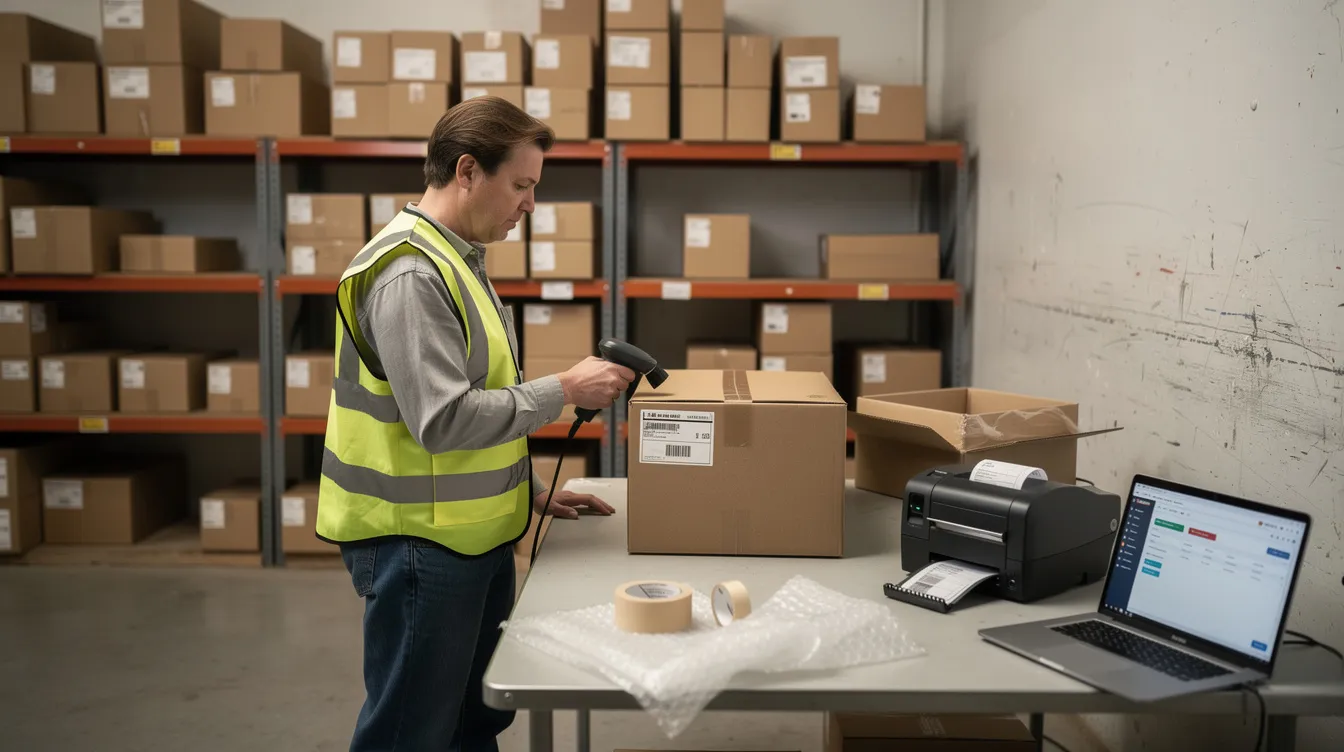
Fulfillment and shipping are at the heart of your order management process. Fulfillment involves picking, packing, and preparing orders for shipment, while shipping is about getting those orders into your customers’ hands as quickly and reliably as possible. You can choose to handle fulfillment in-house or partner with a third-party logistics provider, depending on your business size and needs.
Supply chain management plays a crucial role here—ensuring you have the right products in stock, minimizing delays, and keeping costs under control. Using an e commerce platform with integrated order management tools can help automate many of these tasks, saving you time and reducing errors. Digital marketing techniques, such as automated email updates and tracking notifications, keep customers informed and engaged throughout the process.
To further streamline your operations, consider using order management software and shipping integrations that connect directly to your e commerce store. Clear communication with customers about order status and delivery times builds trust and encourages repeat business. Investing in your logistics and fulfillment processes not only improves the customer experience but also positions your business for sustainable, long-term growth.
If you want to deepen your expertise, online courses and an e commerce professional certificate can help you master supply chain management, digital marketing, and advanced order management strategies. By continuously building your skills, you’ll be better equipped to handle the challenges of e commerce and drive your business forward.
The Biggest Mistakes Beginners Make
Let’s make this very clear.
Starting your own e-commerce business can be exciting and offers the flexibility and opportunities that come with running an online business. However, it’s important to understand that there are upfront costs involved—such as platform fees, inventory, shipping, and marketing—which can range from a few hundred to tens of thousands of dollars depending on your business model and product type. Careful planning for these initial investments is crucial to avoid common mistakes and set your online business up for long-term success.
Mistake 1: Starting with Tools
Shopify, Kajabi, Webflow — none of this matters first.
Mistake 2: Chasing Trends
Dropshipping → Amazon FBA → Print-on-demand → AI stores
👉 No system = no results
Many independent sellers find success by building private label brands or launching an Amazon store, leveraging these platforms for branding control and access to millions of customers. However, without a proven system, even these promising approaches often fail to deliver consistent results.

.avif)





.avif)
.avif)