September 18, 2026
Shopify SEO for Beginners: A Sustainable Organic Traffic System
Learn Shopify SEO with a practical system for keywords, collections, product pages, internal links, technical basics, and organic growth.

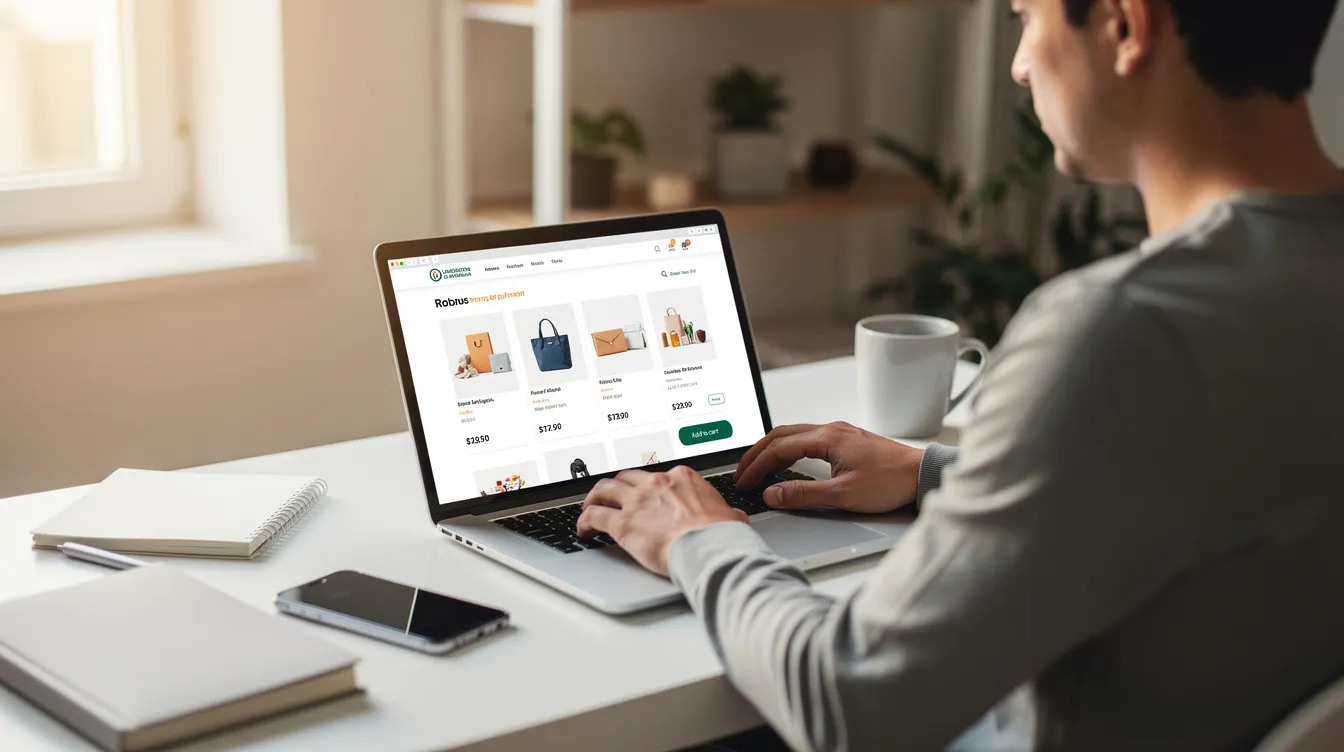
Launching a Shopify store does not automatically create organic traffic. Your products may be excellent, your design polished, and your checkout seamless - but none of that matters if search engines cannot discover, understand, and trust your pages enough to show them when someone searches for what you sell.
SEO drives 57.8% of the world's traffic. It provides up to 300% more traffic than social media. And 49% of marketers say search engine optimization has the best ROI of any channel. Yet most new store owners either ignore SEO entirely or approach it as a list of random tricks.
This guide takes a different approach. Instead of offering an SEO checklist of disconnected tips, it builds a practical Shopify SEO system - a repeatable process for structuring your online store, mapping keywords to pages, optimizing product and collection pages, creating useful content, and measuring what actually works. The goal is more organic traffic that compounds over time, not a temporary spike.
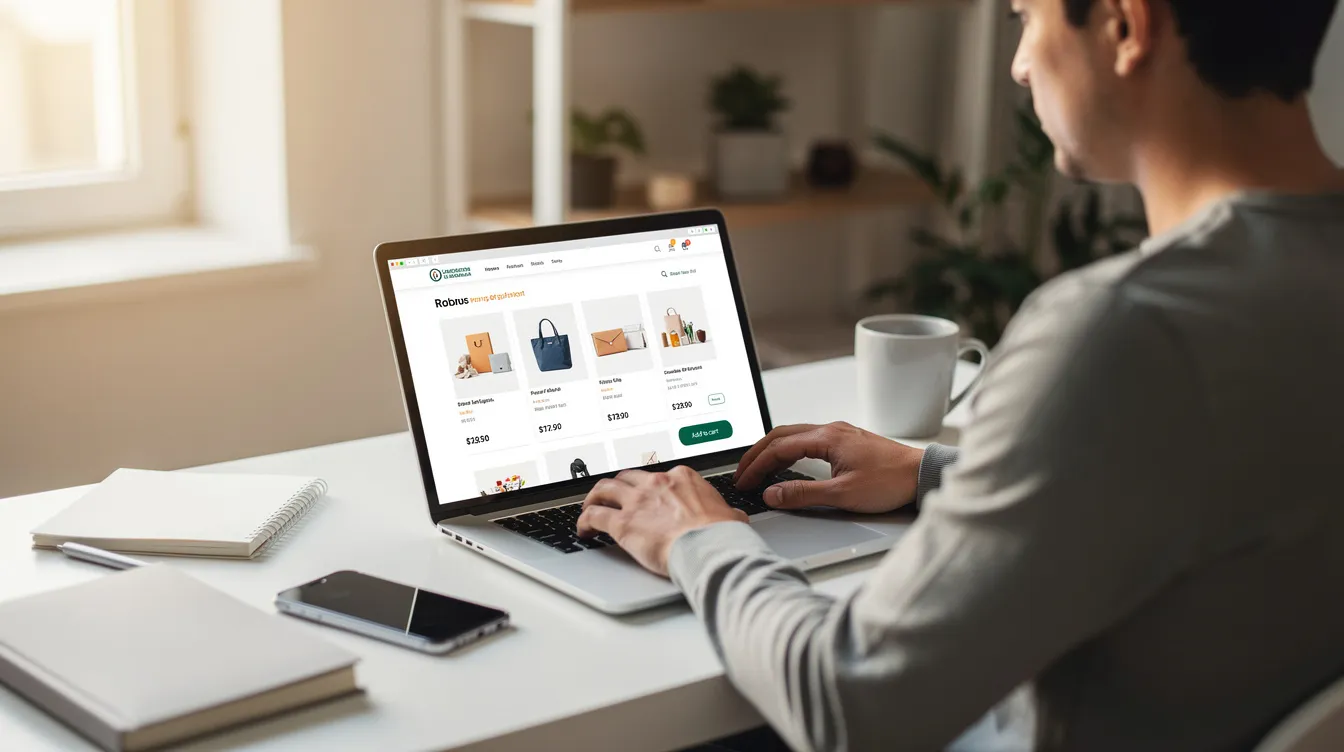
Shopify SEO is the practice of making your Shopify store's web pages understandable and trustworthy to search engines so they appear in relevant search results. It is not simply sprinkling keywords into product descriptions. It is a structured approach focusing on architecture, keyword research, optimization, and content creation - all working together so the right pages show up for the right queries.
Search engine optimization (SEO) works because of how search engines operate. Search engine crawlers follow links and sitemaps to discover your pages. They index the content they find - titles, headings, descriptions, images - and store it. When someone types a query, the search engine decides which indexed pages best match that search intent and ranks them accordingly. Your job is to make sure search engines understand what each page is about and that the page genuinely helps the person searching.
On a Shopify store, this means combining several components:
Here is a simple illustration. Suppose you sell reusable water bottles. A product page might target "24 oz stainless steel water bottle." A collection page could target "insulated water bottles." And a blog post might answer "how to choose a sustainable water bottle." Each page matches a different type of search intent, and together they cover multiple stages of the buyer journey. When these pages are well-optimized and interlinked, they reinforce each other.
Shopify's SEO features help improve online visibility, but the real differentiation comes from how thoughtfully you implement these components.
Shopify provides a solid SEO foundation out of the box. For most beginners and small ecommerce teams, it handles many technical prerequisites automatically, which means you spend less time on infrastructure and more time on strategy and content.
Beyond these defaults, merchants can edit page titles, meta descriptions, URL handles, and image alt text directly in the Shopify admin for products, collections, pages, and blog posts. Some themes include basic product schema markup (price, availability, reviews), though richer schema markup may require theme edits or apps.
That said, Shopify is not perfect. It does not support true nested collection URLs - all collections live at a flat path. And tag-based filtering can generate many crawlable URLs that may not serve your SEO goals. These are manageable limitations, not deal-breakers.
The honest answer: Shopify is good enough for SEO. The bigger wins come from content quality, site structure, and internal linking strategy - not from switching platforms.
Before you open any keyword tool, you need to understand why people search, not just what they type. The query "best hiking boots for wide feet" comes from someone still researching. The query "buy Salomon X Ultra size 44" comes from someone ready to purchase. These two searches require completely different pages.
Effective SEO aligns site pages with what customers are searching for. Keyword research should match buyer intent, not just high volume. If you build a product page for a research query, visitors will bounce. If you write an informational article for a buying query, you miss the sale. Target keywords should match user search intent for better SEO.
Here are the main ecommerce-related intents, with examples:
Informational keywords bring people into your world early. Commercial and transactional keywords drive sales. A healthy Shopify store covers both, mapped to the right page types.
Understanding intent first prevents keyword stuffing and ensures visitors land on a page that actually solves their problem.
A keyword-to-page map is a simple document - even a spreadsheet - where you match each priority search term or cluster to exactly one primary URL on your Shopify store. This is the backbone of any SEO strategy because it prevents overlap and ensures every important page has a clear purpose.
The basic roles:
Keyword research identifies high-intent search terms used by target audiences. Your job is to assign each primary keyword and its secondary keywords to the single page that best matches the intent behind the query.
Here is a concrete example for an "organic dog treats" niche:
Keyword cannibalization happens when multiple pages target the same query. Search engines get confused about which URL to rank, and performance gets diluted across both. When you spot overlap, consolidate into one strong page rather than spreading effort thin.
Long-tail keywords can capture more specific searches with less competition, so do not ignore them in favor of only broad, high-volume terms.
Organizing site structure helps both shoppers and search engines navigate easily. A logical site structure helps search engines crawl your pages, understand hierarchies, and decide which URLs deserve priority.
The ideal high-level structure looks like this:
Homepage → Core collections → Products, with supporting content (blog posts, guides) linking into and out of these key hubs.
Think of it as a hierarchy: Home → Running Shoes → Trail Running Shoes → [Individual Product]. The path is short, logical, and each level has a clear purpose.
A clean and shallow site architecture is recommended for effective navigation. Ideally, every product should be reachable in two to three clicks from the homepage. Deep burial signals to search engines that a page is unimportant.
Best practices for Shopify site structure:
Orphan pages - pages with no internal links pointing to them - are difficult for users and search engines to find. Every important page needs at least one contextual link from somewhere on the site.
User experience influences bounce rates and dwell time, affecting rankings. A confusing structure frustrates visitors, increases bounce rates, and sends negative signals to search engines. A clean structure does the opposite.

Collection pages often capture higher-volume category searches and can become some of your most powerful organic landing pages. A practical SEO plan should prioritize high-impact collection and product pages because they are the ones most likely to drive revenue.
Key on-page elements for collection pages:
Where appropriate, add helpful extras: a brief FAQ block answering common pre-purchase questions, or a small buying guide section that links to deeper content.
One clear caution: do not dump long blocks of generic "SEO text" at the bottom of category pages just to hit a keyword count. Search engines and shoppers both see through it. Focus on usefulness and scannability instead.
Product pages usually target specific, transactional queries - model names, sizes, attributes - and must both rank in search results and convert visitors into buyers. On-page SEO optimization can improve product visibility in search results, but only when the content genuinely serves the shopper.
Core optimization elements:
Image optimization matters. Using descriptive alt text for images improves SEO and accessibility. Compress file sizes, use relevant file names ("stainless-steel-water-bottle-24oz.jpg" rather than "IMG_4392.jpg"), and take advantage of modern formats like WebP.
Where helpful, add supporting content to product pages: FAQs addressing common buyer questions, usage tips, comparison blurbs, and internal links to guides or related collections. Structure this content so it is easy to skim - use headings, bullets, and short paragraphs.
On page optimization is not about making pages longer. It is about making them more useful than the alternatives.
Page titles and meta descriptions are what appear in search engine results pages. They influence whether someone clicks on your listing or scrolls past it. The #1 result on Google gets about 27.6% of all clicks - and a compelling title and description can increase your share even from lower positions.
Each important page should have a unique keyword-focused title and meta description. Optimizing title tags and H1 tags helps search engines understand page topics, and optimizing title tags can improve your page's search visibility.
Simple patterns for Shopify SEO titles:
Meta descriptions should be concise, ideally under 160 characters. Summarize the page, speak to search intent, and include a specific reason to click - free shipping, a guarantee, a selection benefit.
Example pairs:
How to Choose Trail Running Shoes - TrailGear
Not sure which trail runners fit your terrain? Compare cushioning, grip, and drop height in this guide.
Shopify provides a search engine listing preview in the admin editor for each page. Use it to check how your title and meta description will appear before saving.
Keep in mind: search engines can sometimes rewrite your titles and snippets based on the query. Ideal character lengths are guidelines, not rigid rules. Write for clarity and intent first.
Internal links tell search engines how your site is organized, which pages are most important, and how topics relate to each other. Effective internal linking distributes authority and guides user navigation. Internal links help spread SEO value around your site - and they are entirely within your control.
Practical linking paths for a Shopify store:
Anchor text matters. Use natural, descriptive phrases like "explore our trail running shoe collection" instead of repeating the same exact-match keyword anchor on every page. Varied, meaningful anchor text reads better and avoids over-optimization signals.
A simple internal linking checklist for every new page:
For store owners who cannot yet invest heavily in off page SEO or large content campaigns, internal linking is one of the most controllable, high-impact levers available.
Content marketing can target top-of-funnel informational keywords through blogging. Not everyone searching for topics related to your products is ready to buy. Many are researching, comparing, or solving a problem. Blog posts and guides let you meet these people early in their journey and build trust before the purchase decision.
Common ecommerce content types:
Content should target common customer questions to drive traffic before purchase. Each piece should have a clear informational query behind it and include relevant internal links to collections, products, or landing pages. If an article does not connect back to something you sell, it is probably not worth the effort.
Avoid producing generic AI-generated articles with no clear search intent or measurable purpose. Quality matters far more than quantity. Every article should answer a real question and serve a real reader.
Plan simple content clusters around key categories. For example, a "trail running" cluster might include articles about shoe selection, terrain tips, and gear maintenance - all linking back to a Trail Running Shoes collection. This builds topical relevance and strengthens the entire cluster.
SEO provides up to 300% more traffic than social media, and content is one of the primary engines of that organic growth.

Technical SEO means making sure search engines can crawl, index, and render your Shopify site reliably on all major devices. The good news: Shopify handles most of this by default. The important news: you still need to monitor a few things.
What Shopify handles automatically:
Technical SEO includes submitting sitemaps and ensuring mobile friendliness. Submit your sitemap to Google Search Console (GSC) to confirm search engines can find all important pages.
What you need to monitor:
For reference, WebP image adoption among Shopify stores has reached approximately 78% in 2026, and OS 2.0 theme adoption is at about 65%. But the average number of apps per store has grown from roughly 6.2 to 7.8, contributing to JavaScript bloat and slower pages. Audit your apps regularly.
Consult current Shopify Help Center and Google Search Central documentation for exact technical steps rather than relying on outdated tutorials, and if you need personalized help, consider contacting the Webgru team for strategy calls and questions. When you need strategic guidance beyond tutorials, you can also reach out for direct support and consultations with the Webgru team.
The most frequent pitfalls are not exotic technical issues. They are basic oversights that compound over time:
Structural issues are equally common: too many overlapping collections targeting the same query, orphan landing pages with no links pointing to them, and confusing navigation that buries important pages.
At a technical level, watch for unnecessary noindex or disallow rules that hide important pages, broken redirects, and bloated themes or apps slowing down load times. Indexing low-value or duplicate content - tag archives, parameter URLs, empty filtered views - can dilute crawl focus and make it harder for search engines to prioritize your key URLs.
Fixing these issues is often more impactful than adding new tools or chasing small keyword tweaks.
SEO apps can help with specific tasks: bulk editing meta tags, compressing images, adding schema markup, or auditing broken links. They are tools, not strategies.
Small stores with manageable product catalogs can perform many optimizations directly in Shopify without specialized apps. The Shopify admin already lets you edit titles, descriptions, URLs, and alt text for every page type.
Potential downsides of apps:
A simple decision framework: start with foundational work - structure, copy, internal links. Only add specific SEO apps when scale makes manual work genuinely inefficient. Test one app at a time and monitor speed and core metrics before and after installation.
Without data from search engines and analytics, improvements are guesswork. Measurement is not optional - it is what makes your SEO system functional.
Install Google Search Console (GSC) and connect Google Analytics 4 to your Shopify store. Search Console helps in tracking SEO performance including indexing and traffic. Google Analytics tracks what visitors do after they arrive, while practical AI automation for e-commerce operations can help you act on those insights at scale.
Key metrics to track:
Use Search Console's queries and pages reports to discover real search terms people use and which Shopify URLs receive traffic. This data often reveals opportunities you did not anticipate - queries your pages rank for but do not fully address, or pages that attract impressions but have low CTR (a signal to improve your title and meta description).
A simple monthly review routine: check trends, identify new queries, spot declining pages, and create a short list of SEO adjustments to test in the next cycle.
SEO is an ongoing operating system for growth, not a one-time project. The stores that grow organic traffic over time are the ones that treat optimization as a repeatable process.
Here is a nine-step workflow:
Each cycle should be manageable. Focus on a single collection or product group rather than trying to fix the entire Shopify site at once. This builds momentum and keeps SEO tasks from becoming overwhelming.
Document your process in a simple spreadsheet or project board. When Shopify SEO becomes a repeatable habit for the team - not a mystery owned by one person - it scales.
This workflow connects directly to broader ecommerce systems thinking. SEO is one system within a larger operating framework that includes merchandising, fulfillment, customer service, marketing, and a well-designed e-commerce systems stack.
If you have just launched or are close to launching, here is a realistic order of operations:
Priority 1 - Technical accessibility and clean site structure Working theme, fast-enough pages, clear navigation, no major crawl or index barriers. This is the foundation.
Priority 2 - Collections and core product pages Solid titles, meta descriptions, and on-page content for your top revenue-driving category pages and products. A practical SEO plan should prioritize high-impact collection and product pages.
Priority 3 - Keyword-to-page map Even a rough map prevents random, overlapping targeting as your catalog grows.
Priority 4 - Internal linking Connect collections, products, and content pages so search engines can discover and prioritize your most important URLs.
Priority 5 - Helpful supporting content Blog posts and guides that answer real customer questions and link to commercial pages.
Priority 6 - Ongoing measurement and optimization Regular review of Search Console data, updating pages based on real queries, and iterating.
The exact order can adapt depending on your niche and resources, but the sequence above gives most new stores the best return on effort.
This section focuses on behavioral and strategic errors - the decisions that hold stores back.
Some Shopify stores also have physical locations. If you sell both online and in person, local SEO becomes relevant alongside traditional ecommerce optimization.
Local SEO involves optimizing Google Business Profiles, maintaining consistent NAP (name, address, phone) information across the web, creating local landing pages, and using relevant keywords that include city or region names.
Store location pages on your Shopify site can be optimized similarly to other landing pages: clear headings, useful meta descriptions, and unique local content that explains what makes each location worth visiting.
Connect local content with collections and products where possible. If you offer click-and-collect or in-store pickup, mention it on relevant product and collection pages. This bridges the online and offline experience for customers searching locally.
Keep local SEO efforts practical. For most Shopify beginners, the priority is getting the basics right: claim your Google Business Profile, ensure NAP consistency, and create one strong location page rather than overcomplicating things.
Keyword research tools help find search volume and competition metrics, but they can also overwhelm beginners with data. The key is to use them with a clear process.
Basic workflow:
Use keyword research tools to find relevant search terms, but remember that metrics like search volume, difficulty, and competition are estimates - they guide prioritization, not guarantee outcomes. Long-tail keywords attract buyers with high purchase intent and face lower competition, making them especially valuable for newer stores.
Most SEO tools offer features like a keyword magic tool or keyword strategy builder that help you discover related terms and organize them into clusters. These are useful for building out your keyword-to-page map.
Maintain a living keyword list organized by category, page type, and buyer journey stage (informational vs transactional). Update it as you learn from Search Console data which queries your store actually attracts.
Off page SEO refers to signals from other websites and platforms - especially backlinks, mentions, and brand queries - that influence how search engines perceive your store's authority and trustworthiness.
Quality backlinks from reputable sources increase domain authority. Backlinks improve your site's authority and search rankings because SEO backlinks signal credibility to search engines. Active link building can significantly boost your site's authority over time.
Beginner-friendly tactics for earning high quality backlinks:
Social media activity and customer reviews can indirectly support SEO by increasing brand visibility and the likelihood of natural links, even if they are not direct ranking factors in the traditional sense.
A smaller number of relevant, trustworthy links generally beats many low-quality ones from unrelated sites. Avoid spammy link schemes. Sustainable SEO focuses on real value and relationships.
Shopify SEO does not exist in a vacuum. It connects to merchandising, inventory planning, customer service, and marketing campaigns. The most effective stores align their SEO strategy with broader business priorities.
SEO insights can influence operational decisions. If Search Console data shows growing organic interest in a product category, that signal can inform assortment decisions and which products to feature on core landing pages. Google Search drives 57.8% of the world's traffic - understanding which searches bring people to your store is business intelligence, not just marketing data.
Plan around seasonal trends and launches. Give search engines time to discover and rank new or refreshed pages ahead of peak demand periods. Publish seasonal content and update collection pages weeks before the rush, not during it.
Document SEO responsibilities within your team. Who maps keywords? Who edits product copy? Who checks analytics? When optimization becomes part of ongoing operations rather than an afterthought, it compounds.
Consider connecting your Shopify store with a Google Merchant Center account to enhance product visibility in Google Shopping results, providing another organic discovery channel alongside traditional search.
Broader ecommerce systems resources - including operations frameworks, future-focused e-commerce skills for 2026, and growth strategies - can help store owners integrate SEO into a complete operating system.

This guide covered a lot of ground: from understanding how search engines work and mapping search intent, through structuring your Shopify store and optimizing product and collection pages, to measuring performance and iterating based on real data.
If you have already set up your store, the next step is to formalize your SEO workflow using the process outlined above. Shopify SEO best practices are not about doing everything at once - they are about building a repeatable system that improves your store's organic traffic over time.
A simple 30–60 day action plan:
Structured learning is the natural next step. An ecommerce learning path and resources like the Webgru e-commerce training academy can help you deepen these skills systematically - moving from isolated SEO tasks to a fully integrated commerce operations approach.
SEO is a sustainable channel that rewards consistency, clarity, and customer focus rather than shortcuts. Start small, measure honestly, and build from there.
This section answers common beginner questions about Shopify SEO that are not fully addressed in the main guide. Each answer is concise and action-oriented.
Core SEO principles - search intent, content quality, internal links, technical health - are the same regardless of platform. The differences are in implementation: Shopify uses collections instead of traditional category pages, has its own theme and app ecosystem, and handles many technical features (sitemaps, canonical tags, SSL) automatically. Most best practices in this guide transfer conceptually to other ecommerce systems, even if the specific settings and menus look different.
Shopify product and blog tags are primarily for internal organization and filtering, not primary ranking signals on their own. Over-creating tag-based pages can generate many low-value URLs that may dilute crawl focus without helping users or search engines. Use tags thoughtfully for navigation and merchandising, but rely on well-structured collections and content pages for your main SEO efforts.
There is no fixed schedule, but important pages should be reviewed regularly - when products change, seasonality shifts, or Search Console data reveals new queries. For small stores, a light quarterly review of key collections and products works well: refine copy, update internal links, and improve snippets based on performance data. Updates should be driven by real improvements in clarity and usefulness, not by adding extra keywords for their own sake.
Indexing speed varies depending on your Shopify store's SEO authority, crawl patterns, and how well pages are linked internally and included in sitemaps. New URLs can sometimes appear in search within days, while others may take longer - especially for new domains or pages with few internal links. Ensure important new pages are linked from navigation or high-traffic pages and included in the XML sitemap to help search engines discover them promptly.
Many Shopify store owners successfully handle fundamentals themselves - especially site structure, product content, internal linking, and basic technical checks. Agencies or consultants become helpful when stores grow in complexity, need deeper technical audits, or lack internal time and expertise. Start by building your own foundational understanding using guides and structured learning resources. That way, you can either execute confidently on your own or brief partners effectively when the time comes.
Our latest news and trending topics
Learn E-Commerce with clarity, discipline and real experience.

.avif)
.avif)