October 14, 2026
How to Find and Vet Suppliers Without Getting Burned
Learn how to find and vet e-commerce suppliers, verify reliability, compare terms, request samples, spot warning signs, and reduce sourcing risks.

Finding reliable suppliers safeguards product quality and profit margins for any online store. But knowing how to find suppliers is only half the work. The other half is vetting them so you don't end up with counterfeit goods, missed shipments, or a supplier who vanishes after cashing your deposit. This guide walks through a repeatable process for sourcing, comparing, and verifying ecommerce suppliers step by step.
A good ecommerce supplier delivers consistent stock, communicates clearly, prices fairly, and ships on time. Beyond that, look for transparent lead times, realistic minimum order quantities that work with your capital, and willingness to provide samples and compliance documentation.
What counts as "good" depends on your business model. Dropshipping eliminates the need for inventory management, so a higher per-unit cost is acceptable if MOQs are one unit. A brand holding inventory needs customization options and capacity to scale. Fashion tolerates more variability than electronics. Map your own margin goals and niche expectations before judging any supplier.
Strong suppliers also support online sellers with product data (dimensions, materials, weight), images, barcodes, and packaging built for shipping. Better suppliers reduce stockouts, returns, and customer complaints, but no supplier removes all risk.
This is the core section for anyone asking how to find suppliers for ecommerce or how to find suppliers for an online store. Collect an initial list of 10 to 20 candidates before you start deep vetting.
Manufacturers. Check product packaging, brand websites, and search terms like "OEM" or "factory direct" plus your product category. Contact brands directly or ask for their distributors. Expect technical dialogue about specs and materials.
Distributors and wholesale suppliers. Search "[brand] authorized distributor" or visit the brand's "where to buy" page. Distributors often carry ready-to-ship inventory with brand warranty support.
Trade directories. Platforms like ThomasNet (for U.S. manufacturers), Kompass, and industry-specific directories let you filter by product category, country, and certifications. Verify entries independently; some suppliers pay for listings that overstate capability.
B2B marketplaces. Avoid using Alibaba or AliExpress as your sole source for reputable suppliers. Instead, consider platforms focused on domestic wholesale. TopDawg, for example, connects retailers with 3,000+ verified U.S. suppliers and offers over 500,000 wholesale products across various categories. You can also find products on Amazon with multiple sellers to generate supplier leads by researching who actually manufactures or distributes those items.
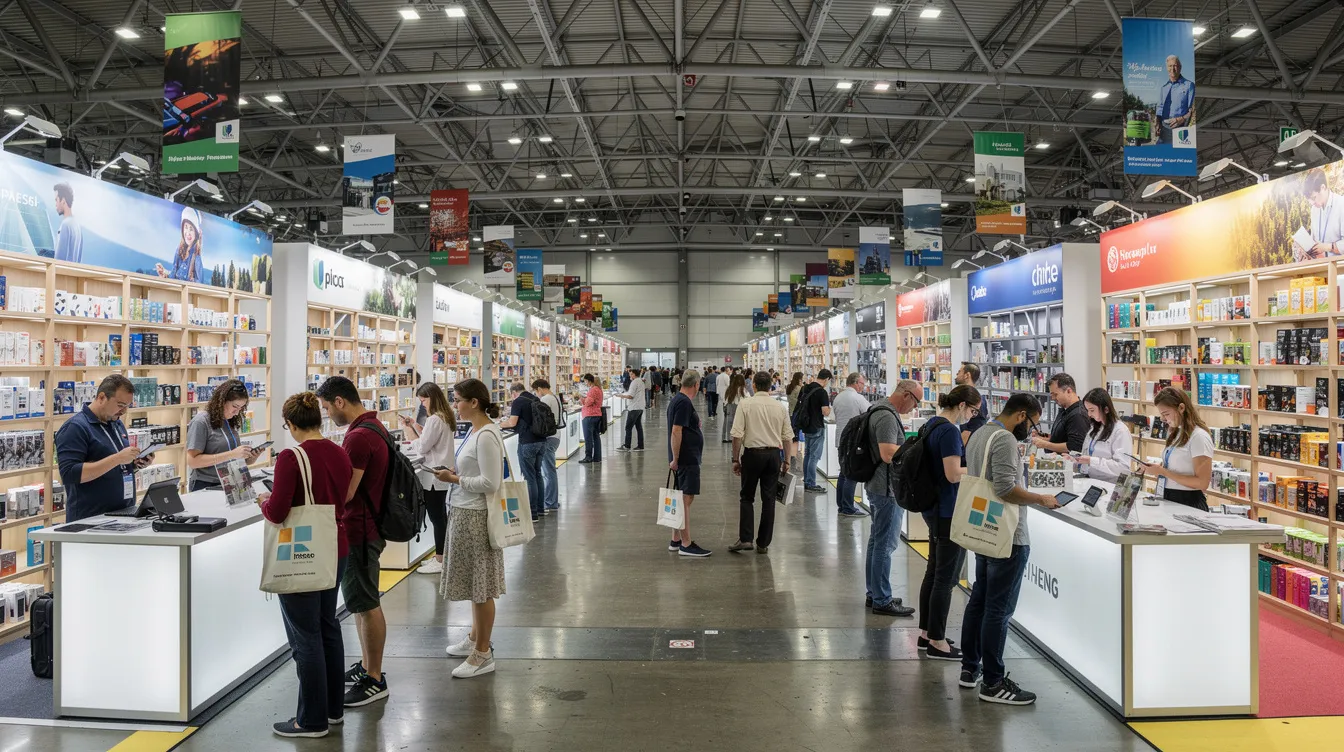
Trade shows. Attending trade shows allows inspecting products and meeting manufacturers face to face. Regional gift fairs, electronics shows, and beauty expos let you compare dozens of wholesale suppliers in one place. Bring spec sheets and collect business cards.
Referrals. Ask other sellers in your niche, LinkedIn groups, or chambers of commerce for recommended suppliers. Referrals tend to surface suppliers who already understand your type of business.
Local suppliers. Search "[product] wholesale" plus your city or region. Local sourcing means shorter shipping, easier communication, and smaller MOQs; ideal for test runs.
Choosing between these three types of suppliers affects your margins, control over the product, and order sizes.
A manufacturer physically makes the product. Pros: best per-unit pricing, full customization (private labeling, packaging). Cons: higher MOQs, longer lead times, more coordination on specs and tooling.
A distributor is an authorized middle layer that buys from manufacturers and resells. Benefits include easier onboarding, broader catalogs, and simpler logistics. Some distributors have territorial rights or marketing support agreements with the brands they carry.
A wholesaler buys in bulk and resells to many small retailers, often with flexible MOQs but thinner margins for you. If you're selling branded kitchen tools off the shelf, a wholesaler or distributor works. If you're creating a private-label fitness accessory line, you need a manufacturer. New ecommerce brands often start with wholesalers for access to in demand products and move toward manufacturers as volume grows.
Define clear requirements before contacting suppliers. This pre-outreach step saves time.
Conducting interviews helps assess vendor trustworthiness and fit. Copy these into your first email:
Keep questions concise. Suppliers are more likely to respond in detail when inquiries are specific rather than open-ended.
Quality evaluation starts online. Study product photos, dimensions, materials, and technical specs before you spend money on samples. Check customer reviews for recurring complaints about durability or defects.
When samples arrive, inspect build construction, finishes, stitching (for textiles), packaging strength, and labeling accuracy. Compare multiple units to check consistency. Run basic tests relevant to the product type: wash tests for clothing, stress tests for hardware, function tests for electronics.
Get feedback from a small group representative of your customers. Their observations often differ from the supplier's marketing claims. Quality expectations should match your price point; budget items can still be "good" if they reliably meet what buyers expect.
Ordering samples helps assess product quality before large orders. Ask which SKUs to sample, whether sample costs can be credited toward your first bulk order, and what shipping to expect.
Order more than one unit of each product. A single sample can look perfect while the next five reveal inconsistencies. Track the process: response speed, packing quality, tracking communication, and how they handle any issues.
After successful samples, place a small paid test order to simulate a real customer experience. Evaluate delivery time, packaging durability, and after-sales support.
Skipping samples to "move fast" is a common beginner mistake that increases avoidable risk.

MOQs are one of the biggest constraints for beginners trying to find suppliers with limited capital. They may be stated per SKU (a set number of units per product) or per order value (total spend per shipment).
Negotiate politely: ask for a lower MOQ on a first order, combine SKUs, or accept mixed variants. Lower MOQs often mean higher unit costs, which compresses margins. Dropshipping and local wholesale suppliers tend to offer more flexible MOQs than factories, making them easier entry points.
Stockouts cost sales. Separate production lead time (time to make or prepare the product) from shipping time (transit to your warehouse or customers). Ask for typical lead times under normal conditions and what changes during peak seasons.
Ask about production capacity: maximum units per month and how much notice they need for large orders. Build buffer stock and set reorder points based on realistic lead times rather than best-case scenarios.
Ask which carriers and shipping methods suppliers use, and whether tracking and insurance are included. U.S. dropshipping suppliers provide 2 to 5 day shipping to customers, which sets a competitive baseline. TopDawg's suppliers handle fulfillment directly to customers, removing the need for you to manage warehousing.
Evaluate packaging from your sample orders: boxes, padding, and labeling should survive typical delivery conditions. Clarify who pays for freight, who manages customs paperwork for cross-border shipments, and how damage claims work.
Certain products (electronics, cosmetics, toys, food-related items) may require specific certifications or testing reports to be legally sold. Requirements depend on country, region, and product category; confirm rules with local authorities or a qualified advisor.
Request safety test reports, conformity declarations, ingredient lists, or material specifications where relevant. Verify certificates directly with the issuing lab or organization rather than trusting a PDF at face value. Establishing KYV (Know Your Vendor) and AML (Anti-Money Laundering) procedures is important for vendor vetting, and certification validation is essential for service-oriented marketplaces.
Proper invoices, packing lists, barcodes, country-of-origin labels, and batch numbers are also important documents for ecommerce operations.
New relationships typically start with a deposit before production and balance before shipping. Avoid sending large sums to unknown suppliers without protection; start with smaller orders and work your way up.
Clear contracts should include service level agreements and quality control measures. Payment terms often improve as trust builds; established brands may negotiate net-30 or net-60 credit terms after a history of successful orders. Keep all payment records, invoices, and order confirmations organized for bookkeeping and potential marketplace account reviews.
How a supplier communicates is a strong early indicator of reliability. Positive signals: clear, timely replies; honest answers when they don't know something; a consistent point of contact.
Negative signals: vague responses, frequent contradictions, constantly changing promises, or long silences on basic questions. Set expectations from the start about preferred channels (email, messaging apps) and response times. Document key agreements in writing, even when conversations start over phone or video.
No checklist removes all risk. But vetting vendors protects against fraud and misrepresentation, and supplier verification reduces risks such as fraud or quality issues.
Common red flags to check for:
If two or more red flags appear, walk away. Chasing sunk costs with a questionable supplier rarely ends well.
Shortlist at least three to five suppliers for the same or similar wholesale products. Choose suppliers with strong demand and fewer competitors in their catalog so you're not fighting over the same thin margins as thousands of other sellers.
Create a simple comparison checklist covering: price per unit, MOQ, product range, sample quality, certifications, shipping options, and responsiveness. Weigh criteria according to your priorities. A new store with low capital might prioritize low MOQs over the absolute cheapest price. Consider long-term fit: can the supplier scale as your online store grows?
Single-supplier risk is real. A factory shutdown, a sudden price hike, or a stock problem can stop your sales overnight. Maintaining backup suppliers reduces operational risk.
Have a primary and secondary supplier for your top-selling items, or at least know where to go if the main source fails. This doesn't mean constantly switching; it means quietly building options and keeping relationships warm with alternate wholesale suppliers. Even when things work well, keep testing new suppliers for in demand products to stay flexible.
A structured approach to sourcing involves several key phases. Here is a simple sequence you can reuse:
Document this system. Vendor vetting ensures alignment with business objectives and service standards, so write your own checklist or shared document and apply it every time you add a new product. Supplier relationships benefit from regular performance reviews and clear communication; treat this as an ongoing part of operations, not a one-time setup.

Aim for 5 to 10 initial contacts, then narrow to 3 to 5 serious candidates. That gives you enough data to compare prices, MOQs, lead times, and responsiveness without becoming unmanageable.
Local suppliers often mean faster shipping, easier communication, and lower MOQs, which is ideal for first products or test runs. Overseas factories make more sense later when you've validated demand, built confidence in your process, and have more capital.
Many serious wholesale suppliers and distributors prefer or require business registration and a tax ID. Check local rules and consider setting up a legal structure before approaching larger or more established suppliers.
Some suppliers allow selling on all major platforms, while others restrict certain channels. Confirm channel permissions in writing before listing products to avoid future disputes or account issues.
Review supplier performance at least once or twice a year, or sooner if you notice frequent stockouts, quality drops, or communication problems. Treat this as an ongoing part of managing your ecommerce business, not a one-time decision.
Our latest news and trending topics
Learn E-Commerce with clarity, discipline and real experience.