April 10, 2026
Online Business Models 2026: Best for Beginners
Discover the best online business models for beginners in 2026. Compare e-commerce, digital products, and scalable systems with a clear path to start.


If you want a simple answer:
These online business models are especially popular because of their low startup costs, making them accessible for anyone with limited initial capital.
👉 Most beginners should start with e-commerce, then expand into digital products later.
If you want a structured path instead of guessing, focus on building a system — not just choosing a model. This approach helps you understand startup costs and take practical steps to start an online business efficiently.

Most beginners don’t fail because of the business model.
They fail because they:
A solid business plan is essential for starting an online business, as it helps clarify your ideas, outline your products or services, and define your target market and marketing strategies. It's also crucial to validate your business idea through market research to ensure there is real demand for your product or service.
👉 The real problem is not the model — it’s the lack of structure.
In 2026, the winners are not hustlers.
👉 They are system builders.
Every online business falls into one of these three categories, including service based businesses and digital services as key options for entrepreneurs.
You sell physical products online.
Examples:
👉 Revenue comes from transactions.
Effective inventory management and managing inventory are crucial for e-commerce businesses to ensure smooth operations and scalability. Targeting a niche market can help sellers reach specific customer segments and increase profitability. Dropshipping is a business model that allows entrepreneurs to sell products without holding any inventory, as orders are fulfilled by a third party supplier who ships products directly to customers. Print-on-demand businesses enable custom-designed products to be printed and shipped only after a customer places an order, minimizing upfront costs. E-commerce has become one of the fastest-growing sectors, with global e-commerce sales projected to reach USD$5.5 trillion by 2027, according to the International Trade Administration.
You sell knowledge or assets.
Examples:
A strong online business idea in this space should be based on market demand, ensuring that your digital products address real customer needs. The global online education market is projected to reach USD 279.30 billion by 2029, driven by the increasing demand for remote learning and digital content. Email marketing is essential for digital product businesses, as it helps build relationships, engage customers, and drive sales through targeted campaigns.
👉 Revenue comes from scalability.
You sell your time or expertise.
Examples:
Service-based businesses can efficiently serve multiple clients at once, allowing for scalable income and increased flexibility. Clearly defining your service offerings is essential to attract and retain clients, as it helps communicate the value you provide. Starting a consulting business is a popular service-based model, where you can offer specialized advice in areas like marketing, online coaching, or advertising. Roles such as social media manager are in high demand, with social media management businesses helping clients grow their online presence by creating content, scheduling posts, engaging with followers, and tracking analytics.
👉 Revenue comes from clients.
Subscription box services are gaining popularity, with the average subscription box business making approximately $1.17 million in revenue per year, highlighting their strong revenue potential.
👉 Key insight:
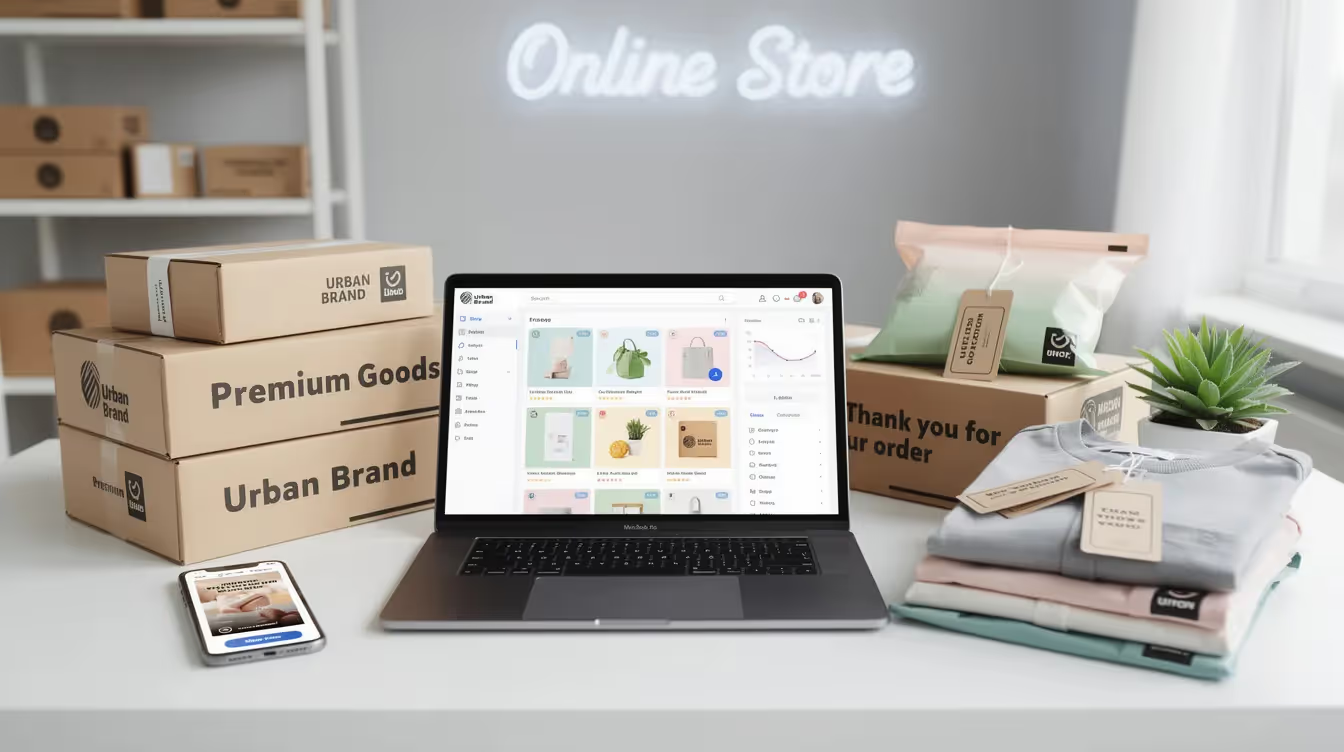
Selling physical products online.
E-commerce is one of the most popular online business models 2026, allowing entrepreneurs to sell merchandise directly to consumers through digital platforms. You can sell products under your own brand, which helps establish a unique identity, build customer loyalty, and increase profitability. Many businesses use marketplaces like eBay and Etsy to list and resell merchandise, taking advantage of low entry costs and strategic pricing. In 2026, online sales in the U.S. reached $304.2 billion in the second quarter, a 5% increase from the previous year, highlighting the growing market for online businesses.
👉 Beginners who want to build a real business system
Selling knowledge or digital assets.
Digital products are intangible goods that can be sold online, such as eBooks, online courses, templates, or software. Digital content creation—including video content creation for platforms like YouTube, TikTok, and Patreon, as well as online coaching in areas like fitness, personal development, or career guidance—are also popular examples of digital products. When you create courses, choosing the right platform is critical, so understanding Kajabi vs Teachable vs Thinkific in 2026 helps you build on the right infrastructure. This sector is rapidly growing, with many creators monetizing their skills through various platforms and leveraging opportunities for scalable income.
👉 People with skills, experience, or audience
Selling services to clients.
Service-based online business models involve offering your expertise directly to clients. Examples include consulting, coaching, freelance writing, and graphic design. Digital services, such as social media management or SEO optimization, are increasingly popular options. Web development is another in-demand digital service, where you create websites or web applications for businesses using various tools and frameworks. These models allow you to leverage your skills, including e-commerce and AI-driven analytics skills needed in 2026, to generate income online.
Service businesses are often the fastest way to generate income online because you can start with skills you already have and don’t need to invest heavily upfront. There’s a low barrier to entry, making it accessible for many people. Additionally, running a service business allows you to be your own boss, giving you independence and control over your work schedule and business decisions, especially when you later plug into a structured e-commerce systems stack for 2026 to productize and scale your services.
👉 Beginners who need fast income
👉 builds long-term asset
👉 high-margin, scalable
👉 fastest path to income
$500 – $5,000
(depending on product, ads, setup)
When starting an e-commerce business, it's also important to set up a business bank account. Having a dedicated account helps you track revenue and expenses, simplifies tax preparation, and keeps your personal and business finances separate. Services like Shopify Balance can make this process easier.
👉 Important:
Low cost ≠ easy success
👉 Start with one → then combine both
Example:
Most people focus on money.
But real businesses focus on systems, which are a crucial part of the business journey toward building a successful business.
👉 Without systems, no model scales.
AI is not a business model.
👉 It is a layer
👉 starting with AI instead of fundamentals

They pick trends instead of strategy. Conducting thorough market research is essential to identify a strong business idea that meets real market demand, rather than simply following fleeting trends.
No backend = no growth
Relying only on social media
Depending solely on social media platforms for your online business model in 2026 can be risky, as algorithm changes or account restrictions may impact your reach and revenue. It's crucial to build a broader social media presence across multiple platforms and not rely on just one channel. This approach helps diversify your audience, strengthens brand awareness, and supports long-term business growth.
Too many tools → no execution
👉 nothing is passive in the beginning
👉 Services
👉 E-commerce + digital products
👉 Digital products
👉 E-commerce systems
Staying compliant with online business regulations is non-negotiable if you want to build a sustainable and trustworthy online business. As you grow your online presence and reach a wider target audience, you’ll need to navigate a range of laws—like data privacy, e-commerce regulations, and intellectual property rights. If you’re unsure where to start or need guidance, you can always contact the Webgru team to get in touch with experts who specialize in system-based online business education.
Your online business reputation and branding are your most valuable assets in the digital world. A strong brand and positive reputation help you stand out, attract your ideal target audience, and turn first-time buyers into repeat customers.
Tracking analytics and metrics is essential for any online business that wants to grow and succeed. By understanding how your target audience interacts with your website and social media, you can make smarter decisions and optimize your marketing strategy.
Exceptional customer service and support are the backbone of any successful online business. In a digital world where competition is fierce, how you treat your customers can make or break your reputation.
👉 That’s why most people stay stuck.
Instead of random tactics:
👉 focus:
not just knowledge
but real results
If you’re starting in 2026:
👉 don’t chase trends
👉 don’t overthink
👉 focus on:
If you want a structured path instead of guessing:
Inside Webgru Academy, you learn:
👉 Start Webgru Academy Starter
Our latest news and trending topics
Learn E-Commerce with clarity, discipline and real experience.